The Problem with “Be Grateful”
Holding both the ache and the awe this Thanksgiving

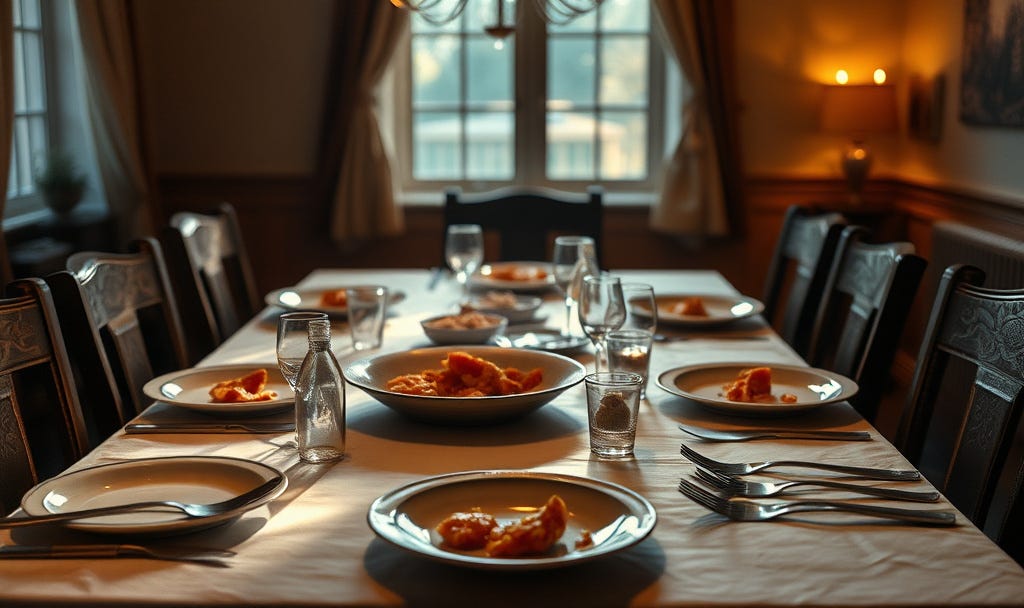
I’m skipping the attitude of gratitude platitudes this year.
The phrase “be grateful” still hits a nerve—it was one of the spiritual bypasses I grew up with in Mormonism, used to silence pain instead of hold it.
These days, I’m practicing integrative gratitude—the kind that makes space for both grief and goodness. Gratitude that doesn’t deny harm but looks for the small glimmers of beauty that survive it.
Leaving the LDS Church felt like watching dry ice evaporate—fast, disorienting, toxic to breathe. Years later, the unraveling stretched beyond religion into patriarchy, colonialism, and white supremacy. Which makes celebrating Thanksgiving… complicated.
I don’t feel thankful so much as grieved: over the whitewashed myths, the false innocence, the joy that used to feel pure but now feels tainted. The grief isn’t only for what was untrue, it’s for what I loved and lost in the process of waking up.
So how do I rebuild meaning around a holiday rooted in harm, shared with family who still believe?
Maybe the answer’s in The Silver Linings Playbook: two deeply flawed people, trying to help each other through the mess. No pretending, no perfection. Just humanity showing up for humanity.
That’s my gratitude practice this year:
To see each family member as they are—awake or not, kind or clumsy—and remember that being human has always been both light and shadow.
Today, I’m letting perfectionism rest. I’m choosing to notice laughter between heaviness, warmth between differences, connection between truths and lies.
Gratitude, in its truest form, might just be that:
holding both the ache and the awe.
Warmly,
~ Megan Verno, CMHC
Therapist & writer on religious trauma, spiritual burnout, and healing in community.
If you want to support my work without becoming a paid subscriber Buy Me A Coffee!
What does “real” gratitude look like for you this year?
Comment below or share this post with someone who’s learning to hold both the ache and the awe.
I found Nonviolent Communication on my way out of Mormonism. With NVC, you don’t say “thanks” or “I’m grateful for”—you say how whoever : whatever made your life more wonderful…what needs were met.
So, we went around the table and, for each person, shared something they did/were recently or that year that made our life more wonderful.
…It was just me and my 3 youngest kids (10-16). My oldest is out of state at college. We videotaped what about her made our lives more wonderful and I shared that with her.
We also did it for our dog…and he really perked up.
I also stared the things going on that give me hope that (eventually) things will / can get better.
Way more meaningful than the old “I’m grateful for” things. It was an opportunity for my kids to connect in a positive way, to know how they affect each other in positive ways, how what they do or who they are is appreciated / valued.